
Temple of Aphaia
A well-preserved 5th-century BC Doric temple dedicated to the goddess Aphaia, situated on a hill with views of the sea.
Walk to the eastern side to view the original foundation stones.

Aegina sits 27 kilometers southwest of Athens across the Saronic Gulf, close enough for a morning departure and evening return yet far enough to feel like an island escape. The question travelers ask is not just the distance but the time it takes—and which port gets you there fastest.
Quick answer
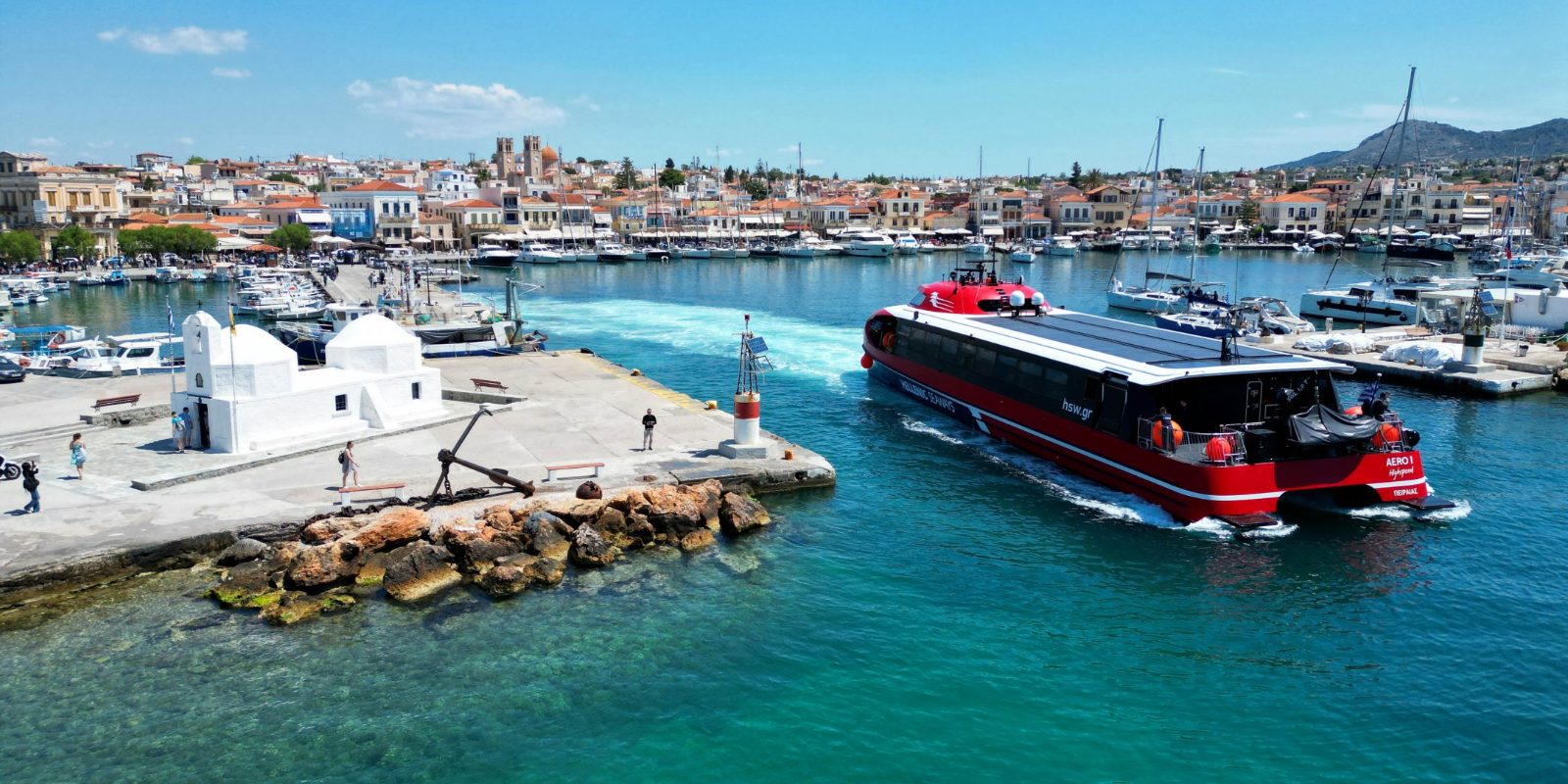
Aegina lies 27 kilometers from Athens by sea, measured from Piraeus port to Aegina harbor. High-speed ferries cover the distance in 40 minutes, while conventional ferries take 70 to 80 minutes. Most departures leave from Piraeus, though some seasonal routes operate from smaller marinas during summer months.
The Saronic Gulf compresses distance in a way that surprises first-time visitors. Aegina is closer to the Athenian coastline than many suburbs are to Syntagma Square, yet the crossing requires a ferry—no bridge spans the strait. From the moment you board at Piraeus, the island's silhouette is visible on the horizon, the slopes of Mount Oros rising above the waterline like a promise kept. How far is Aegina from Athens depends on where you measure from. The 27-kilometer figure runs port to port, Piraeus to Aegina town. If you start from central Athens—say, Monastiraki or Plaka—add another 12 kilometers and 30 minutes by metro or taxi to reach the embarkation point. The journey is a layered one: urban rail through the city, then open water across the gulf. High-speed catamarans slice the crossing to 40 minutes, their engines loud and their wakes wide. Conventional ferries take longer but offer open decks and the smell of saltwater, a slower transition that suits the rhythm of island time. The distance between Athens and Aegina has shaped the island's identity for millennia. Close enough to supply the Athenian markets with pistachios and pottery, far enough to maintain its own temples and coinage. Today that proximity makes Aegina the most accessible of the Saronic Islands, a fact reflected in the ferry schedule—dozens of departures daily, year-round, with frequencies that rival commuter rail. The short crossing also means Aegina draws day-trippers in numbers that can overwhelm the waterfront by midday, a rhythm worth noting if you prefer quieter exploration. Piraeus is the primary gateway, its Gate E10 serving as the Aegina departure terminal. Smaller ports like Marina Zeas handle occasional hydrofoils, but the vast majority of travelers board at Piraeus. The distance from Athens to Aegina is not just a nautical measurement—it is the threshold between capital and coast, the span of water that separates monument from taverna, museum from harbor-side calm.
“The Saronic Gulf compresses distance in a way that surprises first-time visitors—Aegina is closer to Athens than many of its own suburbs.”
Aegina sits in the Saronic Gulf, approximately 17 to 20 nautical miles from Athens. The primary method of transit is by ferry or high-speed hydrofoil departing from the Port of Piraeus.
Line 1 (Green) from Athens city center to Piraeus station
Conventional ferry from Piraeus Port to Aegina Town
High-speed hydrofoil from Piraeus Port to Aegina Town
To ensure a smooth departure, aim to reach the Port of Piraeus well ahead of your scheduled ferry. Follow the signage for the specific gate assigned to your vessel, as the port area is expansive.
The best arrival window for Aegina is 08:00–10:00 to avoid mid-day heat and large crowds from morning ferries. Planning your visit within this period ensures a smoother experience when exploring the island.
Mild, 18°C–23°C. Ideal for walking and site visits.
Comfortable temperatures and lower visitor numbers make this an optimal season.
Hot, 28°C–35°C. High UV levels.
Expect peak tourism and higher temperatures during these months.
Pleasant, 20°C–26°C. Warm sea temperatures.
The weather remains favorable for outdoor activities while crowds begin to thin.
—
Arriving between 08:00 and 10:00 allows you to access popular areas before the peak daily influx.
Verdict: The best time to visit is during the shoulder months of April, May, September, or October, specifically arriving on a weekday between 08:00 and 10:00.
Access to Aegina island itself is free, while specific historical locations such as the Temple of Aphaia require separate admission fees. Costs for visiting these sites vary depending on the specific archaeological area and current official regulations.
Verdict: A typical adult pays 0 EUR to enter the island, with costs only applying when visiting managed archaeological sites like the Temple of Aphaia.
Aegina is accessible daily throughout the week, allowing for flexible planning when traveling from Athens. The island remains open to visitors at all times.
Aegina offers several historical and cultural landmarks that make the short journey from Athens worthwhile. These sites provide context to the island's significance in the Saronic Gulf.
A well-preserved 5th-century BC Doric temple dedicated to the goddess Aphaia, situated on a hill with views of the sea.
Walk to the eastern side to view the original foundation stones.
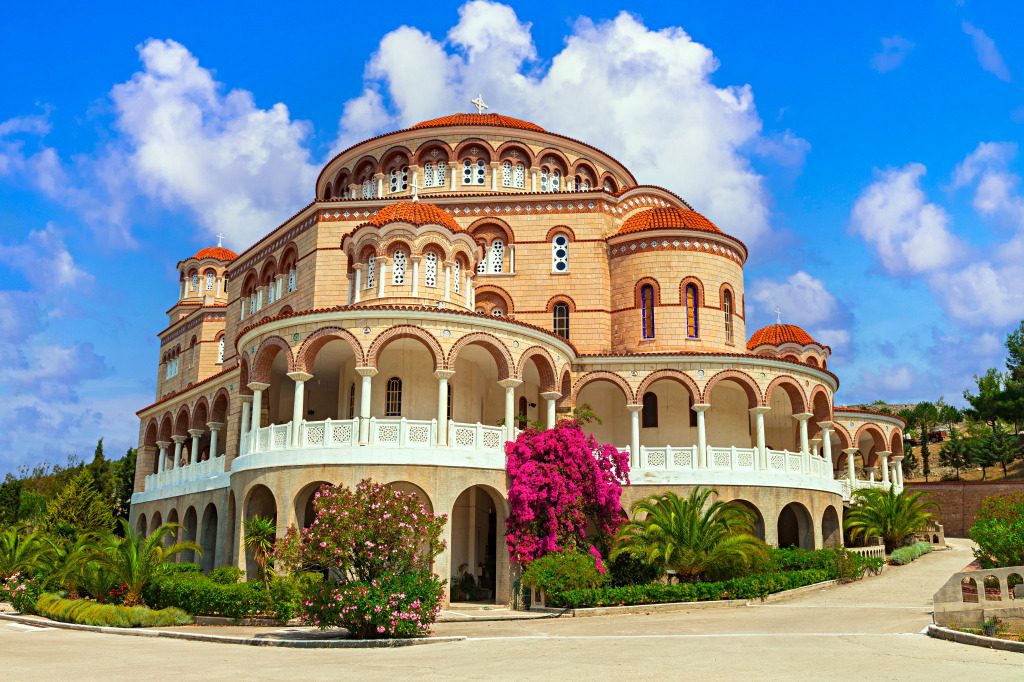
One of the largest Orthodox churches in Greece, known for its imposing architecture and the tomb of Saint Nektarios.
Visit the upper courtyard for a view of the dome.

The former medieval capital of the island, featuring ruins of stone houses and numerous small Byzantine churches.
Follow the marked dirt paths to find the hidden frescoes.
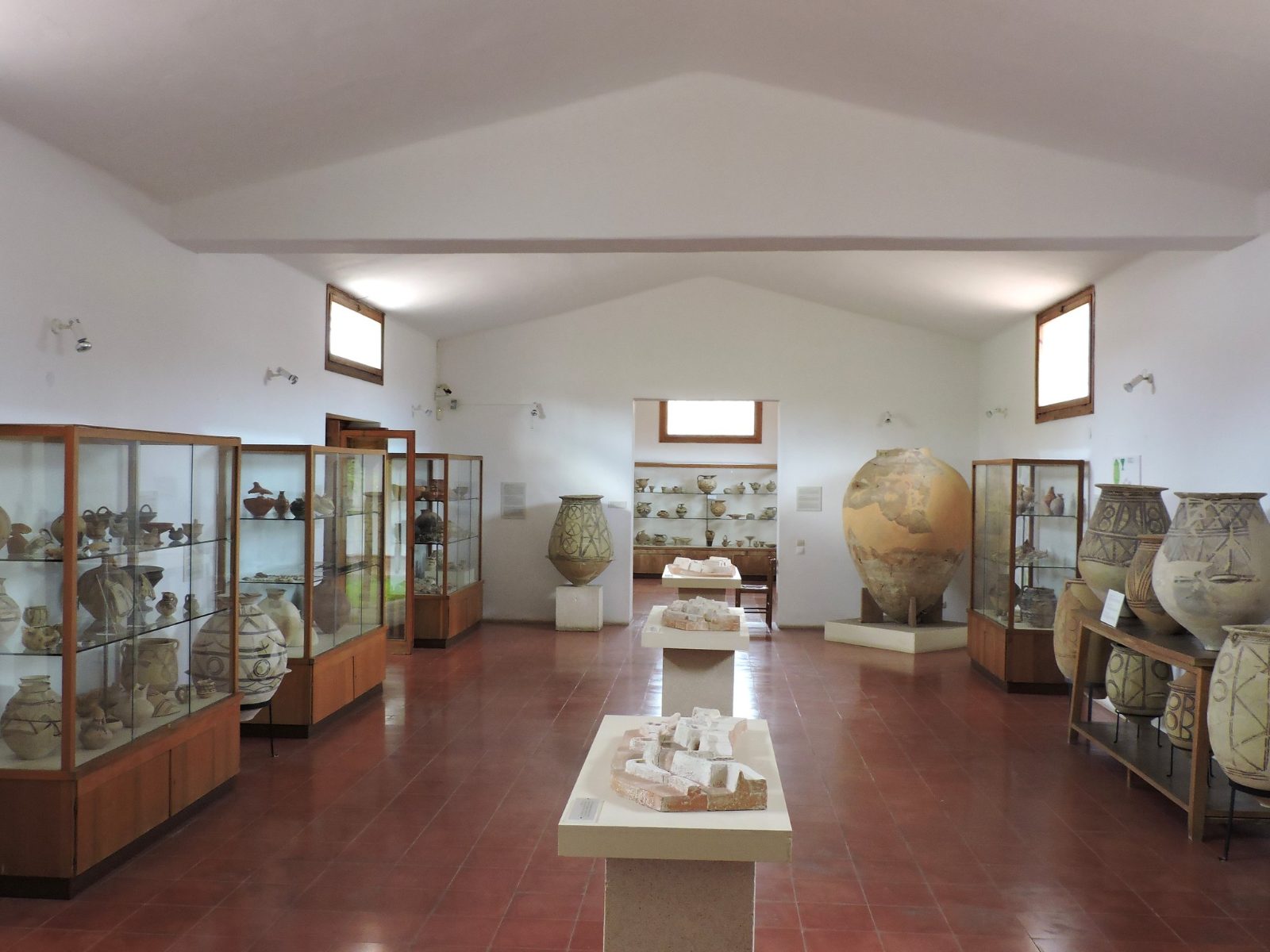
Located near the Kolona site, this museum houses artifacts recovered from the Temple of Aphaia and other local excavations.
Check the display of the Sphinx of Aegina statue.
Everything you need to know about how far is aegina from athens
The distance between the Piraeus port in Athens and Aegina is approximately 30 miles (48 km) or about 17 nautical miles. This proximity makes Aegina a very accessible destination for those exploring the Saronic Islands.
Depending on the vessel, the trip typically ranges from 30 to 40 minutes on high-speed catamarans or hydrofoils. Conventional car ferries take between 1 hour and 1 hour 15 minutes to reach the destination.
While you do not always need to prebook, high-speed ferries can sell out during the peak season. It is recommended to check availability and book your tickets for how far is aegina from athens early if you have a strict schedule.
Most vessels depart from Gate E8 at the port of Piraeus, which is easily accessible from central Athens via the metro. You should allow extra time to navigate the port area as gate assignments can occasionally shift.
Yes, the short travel time makes Aegina an ideal location for a day trip from Athens. Many travelers enjoy the quick transit to experience the local pistachio groves and the ancient Temple of Aphaia.
Aegina has three primary docking points: the main town, Souvala, and Agia Marina. You should confirm which port your vessel serves when checking how far is aegina from athens to ensure it aligns with your destination on the island.